An Comprehensive Reference to Retro Wear: Guidelines for Locating Authentic Selections
The world of vintage clothing offers a remarkable interplay of heritage and refinement. Each article bears its own story, reflecting the societal subtleties of its time. Locating real pieces, however, demands wisdom and fortitude. From identifying superior fabrics to understanding various fashion periods, the process can be enriching as well as demanding. As collectors seek classic wardrobe essentials, they must likewise think through how to maintain their antique pieces for future generations. What indispensable recommendations await those enthusiastic to investigate this field?
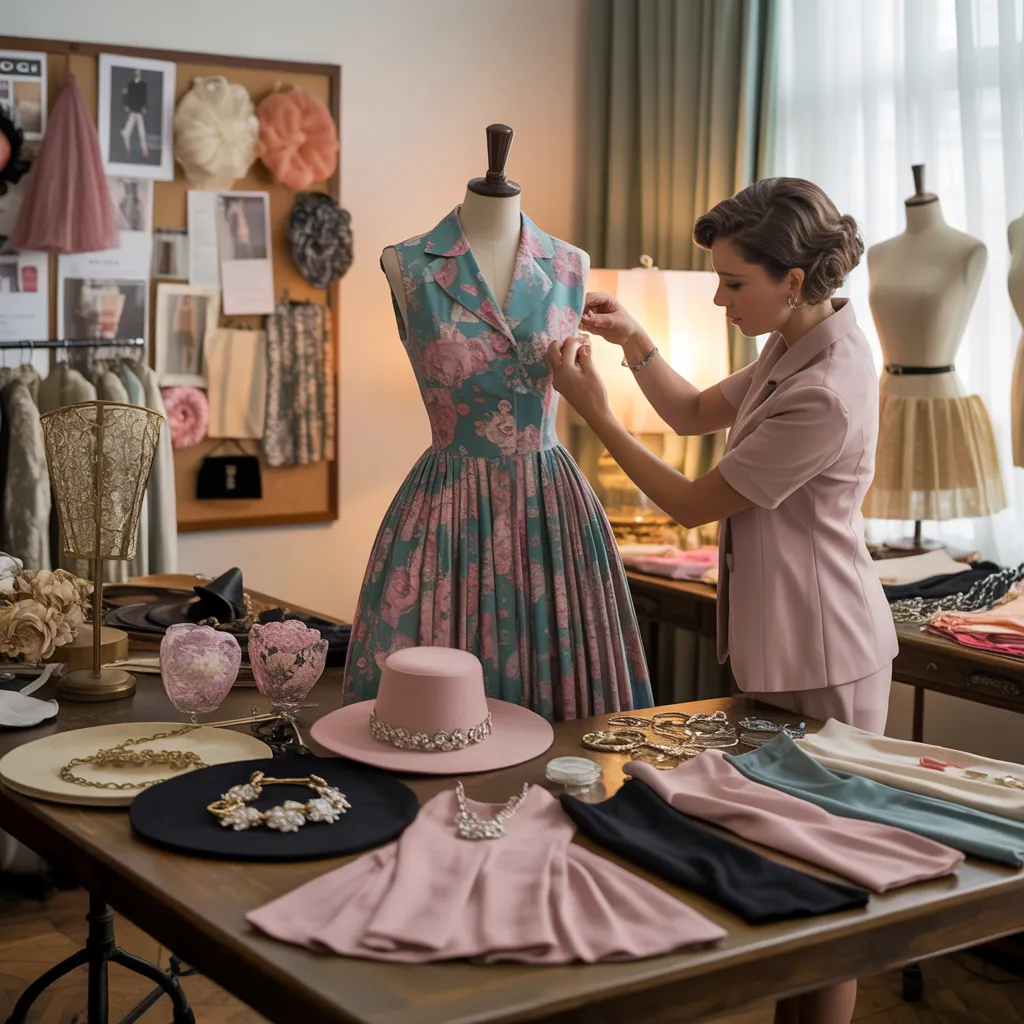
Causes Classic Wear Matters
The allure of vintage clothing lies in its deep heritage and historical importance. Each piece carries a story, often reflecting the cultural movements, fashion trends, and artistry of its time. By donning vintage attire, individuals connect with the past, honoring eras characterized by distinct styles and values. This connection creates a sense of self-expression and personal expression that contemporary fashion often lacks.
Moreover, vintage apparel fosters sustainability in an trade recognized for squandering. Buying secondhand attire cuts the demand for rapid-production clothing, which is injurious to the planet. Vintage supporters encourage the esteem of quality over quantity, underlining timeless designs that penetrate fleeting trends.
Fundamentally, pre-owned apparel is significant not only for its visual beauty but also for its role in safeguarding cultural tradition and fostering responsible consumerism. By supporting these garments, individuals participate in a broader conversation about clothing, history, and eco-awareness.
Methods to Hunt for True Antique Items
There is a variety of places where collectors can discover authentic vintage pieces, each showcasing unique treasures. Thrift stores and consignment shops serve as treasure troves, often housing missed garments that tell stories of the past. Estate sales and auctions can yield remarkable discoveries, allowing buyers to search entire collections assembled over decades. Online marketplaces, such as Etsy and eBay, provide access to a worldwide inventory of vintage clothing, while social media platforms often host sellers specializing in vintage fashion. Vintage fairs and pop-up markets offer opportunities to browse selected selections from various vendors, encouraging a sense of community among collectors. Additionally, vintage boutiques, often located in trendy neighborhoods, showcase thoughtfully curated pieces with a focus on quality and authenticity. Each venue presents its own charm and possibility for finding that ideal vintage item, making the hunt an integral part of the experience.
How to Recognize High-Quality Materials and Construction?
When evaluating antique garments, understanding material makeup is vital for establishing quality. Additionally, identifying effective stitching techniques and spotting labels can provide valuable insights into a garment's handiwork. These factors collectively improve the ability to discern genuine antique items from inferior options.
The Significance of Fabric Structure
Quality materials serve as the basis of antique garments, often influencing both longevity and aesthetics. When assessing material makeup, attention should be paid to the material types, such as cotton, wool, silk, and linen. Natural fibers typically indicate superior quality, providing breathability and durability. In contrast, synthetic materials may suggest a more recent manufacturing time, potentially compromising authenticity.
Additionally, the density of the fabric can demonstrate its standard; heavier options often point to a more robust composition. Touch is also important; a finely crafted vintage piece should feel hefty and luxurious to the touch. Informing yourself on popular compositions and fabric care can strengthen the competence to spot valuable pieces, making careful choices when curating a vintage wardrobe.
Stitching Techniques Explanation
Studying stitching techniques reveals much about the craftsmanship of vintage clothing. Quality garments often feature even, tight stitches that demonstrate expert construction. When examining seams, one should look for a steady thread tension and lack of fraying. Double-stitched or reinforced areas indicate durability, while hand-stitched details can signal higher craftsmanship. Additionally, the type of stitch—such as straight, zigzag, or overlock—can provide insights into the garment's intended use and age. Edges that are finished with clean hems or bias tape suggest meticulous attention to detail. Finally, reviewing the overall alignment of patterns and motifs can further confirm authenticity, as misaligned prints may signal a less reputable piece.
Label Spotting Recommendations
How can one effectively identify the quality of vintage clothing through its labels? First, inspecting the label can show the brand's credentials and era. Recognized labels often mean top craftsmanship. Next, checking the fabric content is critical; natural fibers like silk, wool, and cotton usually suggest superior quality as opposed to synthetic alternatives. Additionally, the label’s care instructions can give insights into the garment’s durability.
Construction details, such as seam finishes and related content the presence of reinforcement, further enhance the assessment; well-constructed pieces tend to endure longer. Finally, antique tags themselves can serve as markers of authenticity. By combining these elements, one can make knowledgeable choices when selecting antique garments that stands the passage of time.
Identifying Retro Style Eras
Several enthusiasts appreciate the charm of vintage clothing, though identifying the definite style eras can be a nuanced endeavor. Each era, from the 1920s flapper dresses to the 1980s power suits, showcases distinct characteristics that define its aesthetic. Knowledge of historical context, comprising fashion trends and cultural factors, is essential for accurate identification.
During the 1930s, graceful outlines with bias-cut textiles were emphasized, whereas the 1940s featured utilitarian designs because of war-imposed constraints. The 1960s highlighted bold prints and youth-centric styles, which were a sharp contrast with the more restrained fashions of the 1950s. The 1970s adopted bohemian styles and eclectic patterns, while the 1980s preferred exaggerated shapes and vibrant colors.
Enthusiasts can develop their proficiency by investigating fashion history, studying garment construction, and spotting signature details. This grasp not only elevates appreciation but also assists in building a wardrobe that truly showcases the charm of each vintage era.
Searching for tips on discussing prices at Vintage Shops?
When engaging with shop owners, a genial disposition can foster a agreeable climate. Shoppers may start by commending the items before proposing their quoted price. Identifying any marks or wear can justify a modest offer, but it's paramount to remain dignified and amenable to talks.
Creating a bundle deal for multiple items can also encourage a better price. Ultimately, effective deal-making copyrights on the ability to juggle assertiveness with deference, confirming that each party feel satisfied with the final result. With practice, purchasers can sharpen their skills and make secondhand treasures more economical.
Ways to Maintain Your Vintage Finds Appearing Excellent
Vintage clothing can preserve its charm and appeal with proper care and attention. To extend lifespan, it is essential to follow particular care procedures. Manual laundering is frequently recommended, using mild soaps and cold water to prevent fabric damage. For delicate items, professional cleaning is recommended, but always check the cleaner's expertise in handling antique fabrics.
Storage is equally important. Garments should be placed on padded hangers or stored in acid-free tissue paper to prevent creasing. Keeping items in a chilly, dim environment protects them from fading and deterioration caused by sunlight.
Regular inspections for indicators of wear or insects can help address problems before they escalate. When wearing vintage pieces, avoid heavy jewelry that could snag fabrics and be mindful of contact to severe conditions. With these practices, antique treasures can remain vibrant and usable for years to come.
Essential Antique Selections for a Multifunctional Collection
Developing a flexible wardrobe means recognizing certain vintage pieces that excel for their classic appeal and adaptability. A denim jacket, a classic little black dress, and a vintage leather handbag function as foundational items, seamlessly shifting from casual to formal settings. These key pieces not only improve personal style but also reveal the lasting charm of vintage fashion.
Timeless Denim Jackets
Though denim jackets have transformed over the decades, their continuous charm makes them a key item in any multifunctional wardrobe. Vintage denim jackets, especially those from the 1970s and 1980s, typically showcase special finishes, weathered surfaces, and characteristic thread patterns that define their look. These jackets can seamlessly shift between casual and semi-formal occasions, pairing well with everything from dresses to cargo pants. The classic style allows for numerous fashion choices, keeping them in style through different seasons. Moreover, genuine vintage pieces frequently offer a more green option versus fast fashion. Jacket collectors look for pieces from trusted brands that add both style and investment potential, making them a wise buy for anyone looking to collect a unique closet.
Classic Little Black Dress
The iconic LBD serves as a cornerstone of eternal style, much like the classic denim jacket. Dating back to the 1920s, this adaptable piece transcends trends and occasions. Crafted from various materials, including silk, chiffon, and lace, the LBD can seamlessly shift from informal to dressy settings. When searching for authentic vintage options, look for quality stitching, unique details, and signature labels. Styles may vary, from snug cuts to flowing A-lines, catering to diverse body types and personal preferences. Combining the LBD with bold embellishments or layering pieces can improve its adaptability, making it an vital addition to any vintage wardrobe. Ultimately, the little black dress represents elegance and simplicity, ensuring its enduring appeal across generations.
Vintage Leather Handbags
Vintage leather handbags operate as vital pieces that elevate any wardrobe with their classic sophistication and utility. These bags, often made with high-quality materials, display unique designs that embody various fashion eras, making them flexible for both casual and formal occasions. When selecting a vintage leather handbag, authenticity is vital; discerning buyers should check for brand markings, hardware quality, and stitching details. Popular styles include structured satchels, crossbody bags, and clutches, each offering distinct charm. Condition matters as well—well-maintained bags can endure the test of time, while signs of wear may suggest a story worth telling. By adding a vintage leather handbag into one's collection, individuals can readily elevate their personal style while embracing sustainable fashion choices.
Frequently Inquired Questions
How can I figure out the value of my vintage clothing?
To establish the worth of vintage clothing, one should investigate comparable pieces on the internet, consider manufacturer credibility, evaluate state, and seek advice from valuators or vintage experts for accurate pricing based on consumer interest and scarcity.
Is Vintage Clothing Able of Being Altered for an Enhanced Fit?
Vintage clothing can certainly be altered for a better fit. Tailors often adjust seams, hemlines, and other elements, preserving the garment's integrity while boosting comfort and style, making it more wearable for contemporary fashion.
Where Can You Find the Best Online Platforms to Buy Classic Merchandise?
The top online platforms for purchasing vintage clothing include Etsy, eBay, Depop, and copyright. Each delivers a unique selection, letting shoppers to uncover authentic pieces that match their preferences and financial constraints effectively.
What ways can I use to tell if a antique item is a copyright?
One should inspect tags, seams, material quality, and assembly techniques to recognize a vintage reproduction piece. Additionally, studying the era's specific characteristics can help determine genuineness, separating authentic pieces from contemporary counterfeits.
Can You Name Particular Brands Celebrated for Outstanding Vintage Items?
Certain brands, such as Chanel, Dior, and Levi's, are renowned for their high-quality vintage items. Collectors often seek these labels, as they signify craftsmanship and timeless style, making them coveted in the vintage market.